
HONORS PROGRAMS
High School
Honors Program
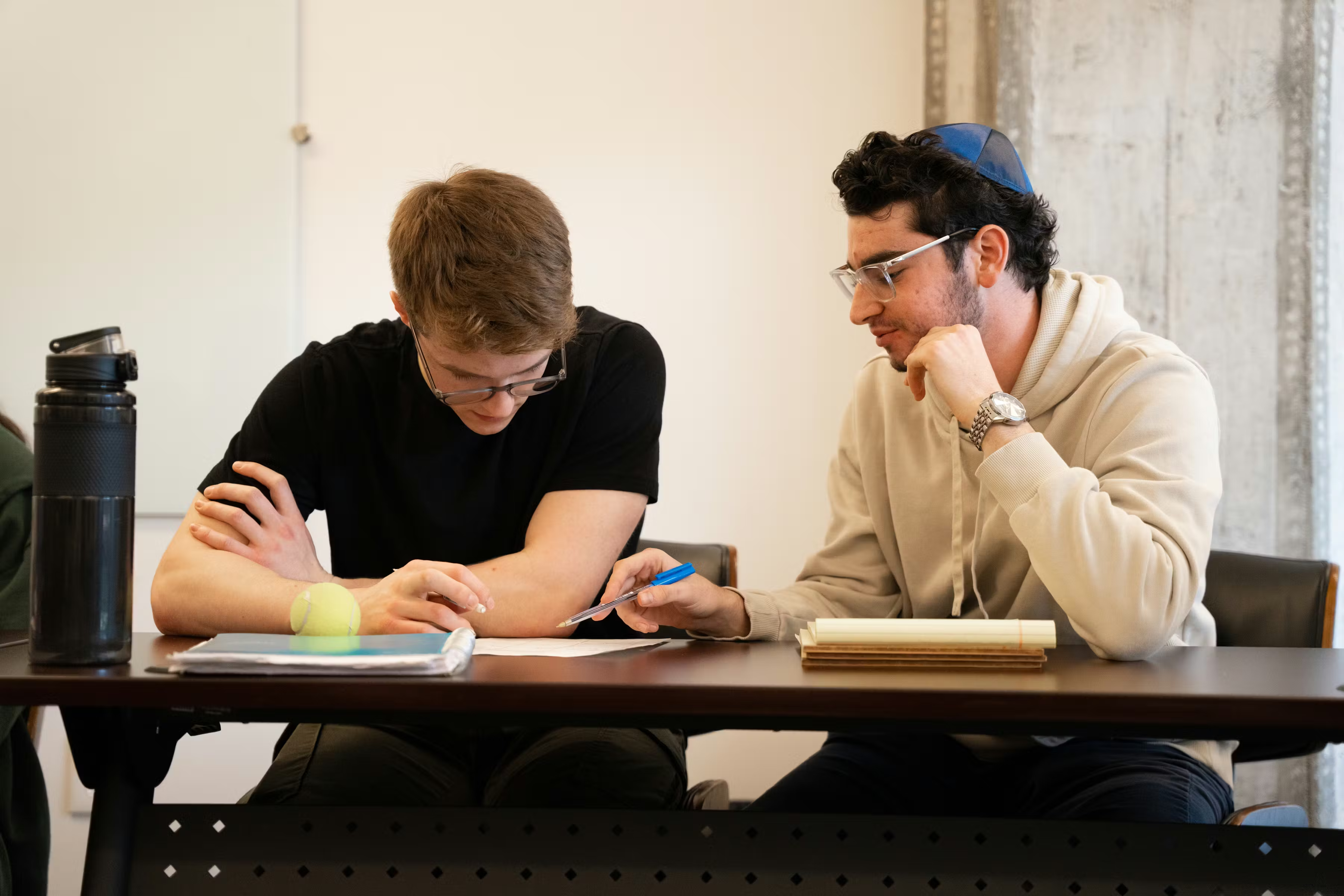
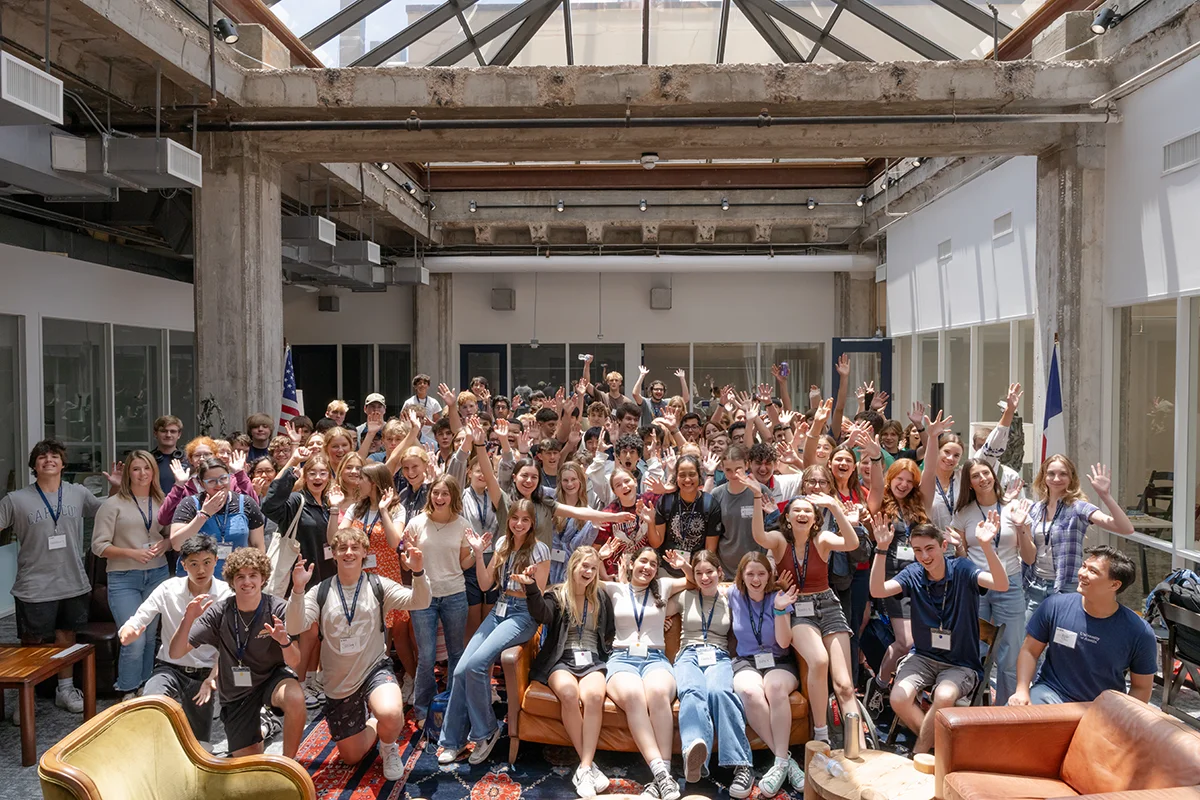
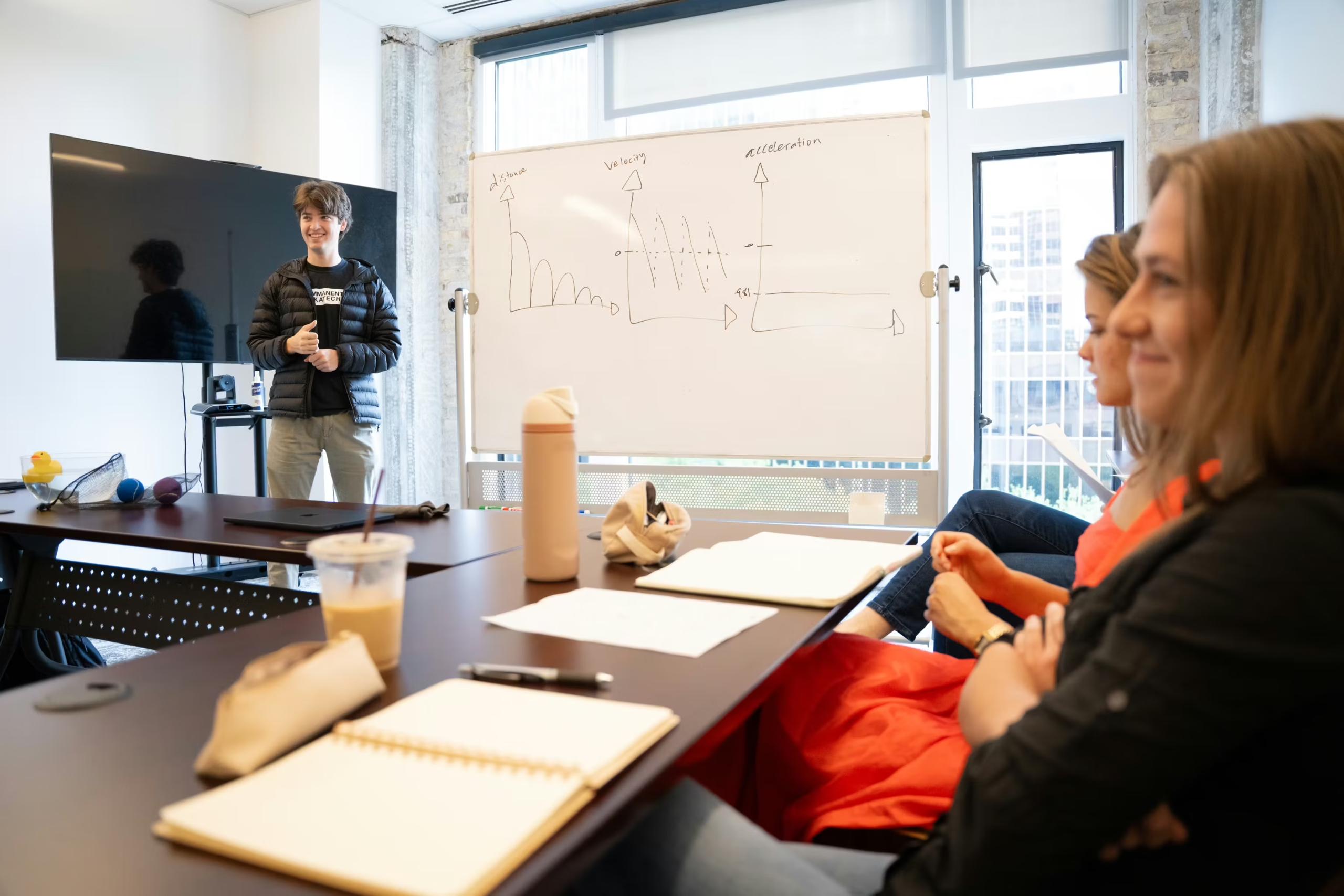
At the University of Austin, we believe education begins with boldness, inquiry, and a deep commitment to the pursuit of truth. In this immersive pre-college honors program, high school students experience the spirit of UATX firsthand.
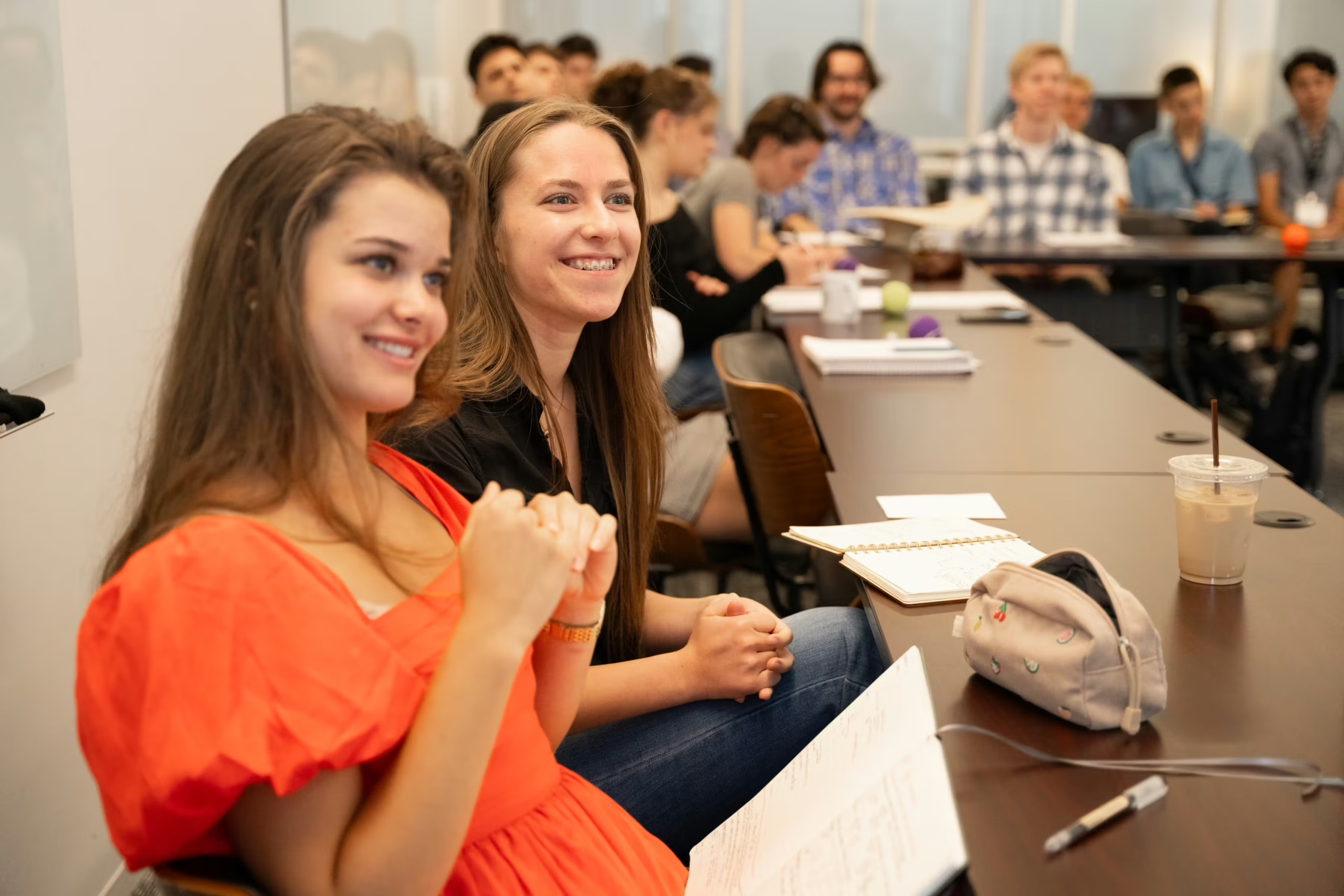
Over the course of a single day, students take part in a college-level seminar led by UATX faculty, share meals with their peers, and get a firsthand feel for the intellectual courage and lively community that define UATX. Parents and guests are invited to join later in the day for a presentation, Q&A, and family reception, a chance to meet faculty and current students and learn for themselves what an education here entails.
Austin, TX
Sunday, November 1, 2026
UATX Scarbrough Campus
Additional dates
2027 dates and locations will be announced soon
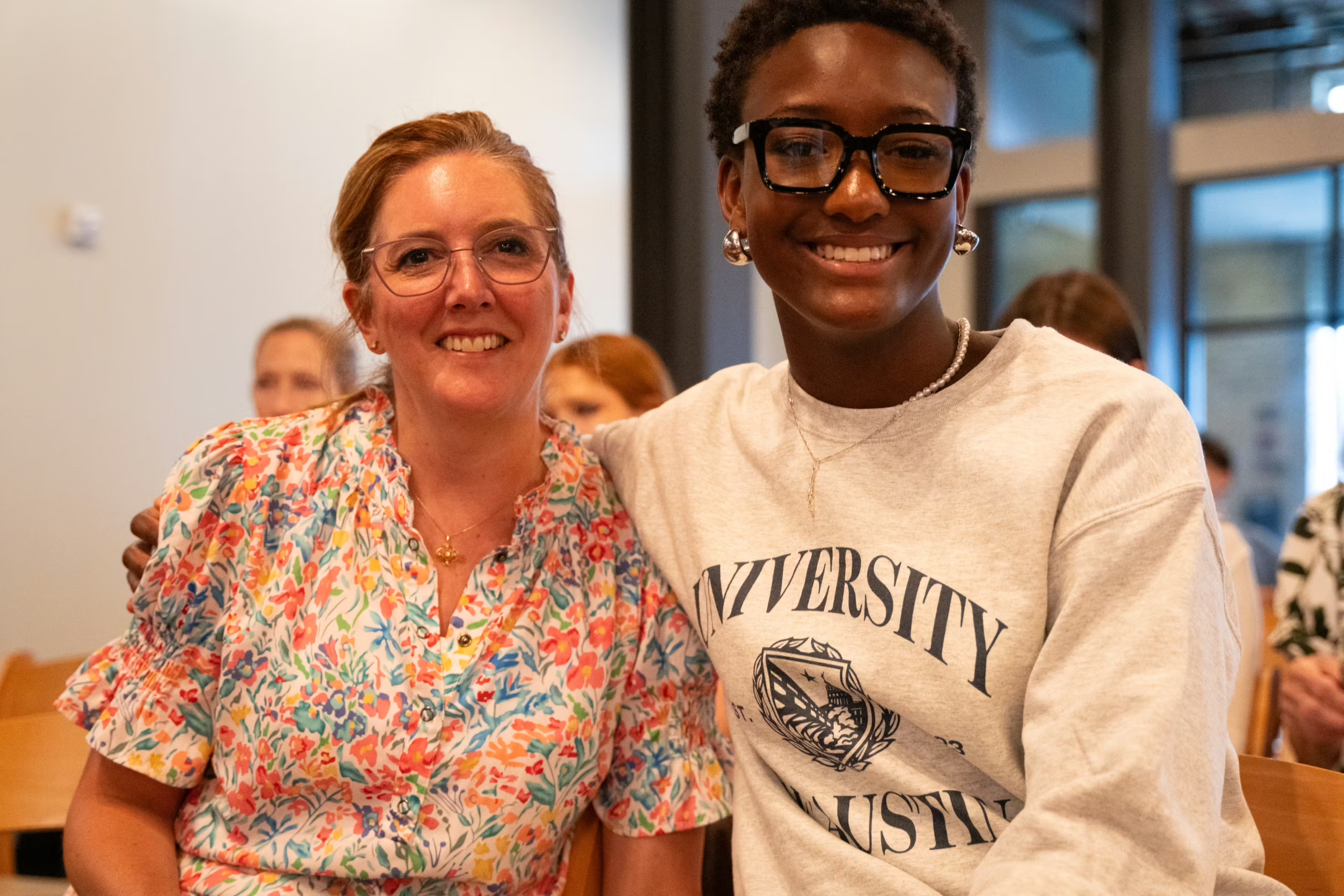
“This experience has been once in a lifetime.”
Former High School Honors Student
Honors Programs
Admissions
Admission is based on academic achievement, including standardized test scores (SAT, ACT, CLT, PSAT, CLT10, and others). Students who do not have qualifying test scores may submit an unofficial copy of their high school transcript to [email protected] for additional consideration. Admission to one High School Honors Program is admission to all of them, and you’re welcome to attend as many as you like.
Students admitted to UATX’s undergraduate program are automatically admitted to all High School Honors Programs. High school applicants also receive automatic admission to High School Honors if they earn a 1300 or higher on the SAT (or an equivalent score on the ACT, CLT, PSAT, or CLT10), or maintain a 3.5 or higher unweighted high school GPA.
Applications are due one week before each program begins.
Eligibility
UATX's high school program is open to high school freshmen, sophomores, juniors, and seniors. Participants must be at least 13 years old and enrolled in high school (homeschoolers are welcome) before the start of the program to apply.
Cost
Completely free (meals included). Participants cover their own travel/lodging.
Dress Code
Dress code is business casual for all participants. No T-shirts, shorts, or sportswear, please. Comfortable shoes are recommended.
Parental Supervision
High School Honors is a non-residential program. The University of Austin can neither provide housing nor assist with housing requests. The University is not responsible for supervising, chaperoning, or otherwise caring for students, and all participants are required to have adult supervision outside program hours.
Apply
Submit the online application. It takes about five minutes.
Share Your Scores
Report your highest test score on the application, or email an unofficial transcript to [email protected] if you haven't tested yet.
Register
Once you're admitted, we'll send a short registration form to confirm your attendance and finalize your seminar.
What Students Are Saying:
Beatriz Kamps
High School Honors Austin 2025, UATX Class of 2030
“The first time I came to UATX, I took the honors program ‘The technology and philosophy of AI’ by Professor Clint Staley. This class made me decide to come to UATX. The quality and teaching styles of the professors are exemplary and one of a kind. Professor Staley taught my class the why behind what we do in math, and that’s when I knew that UATX was the place to be.”
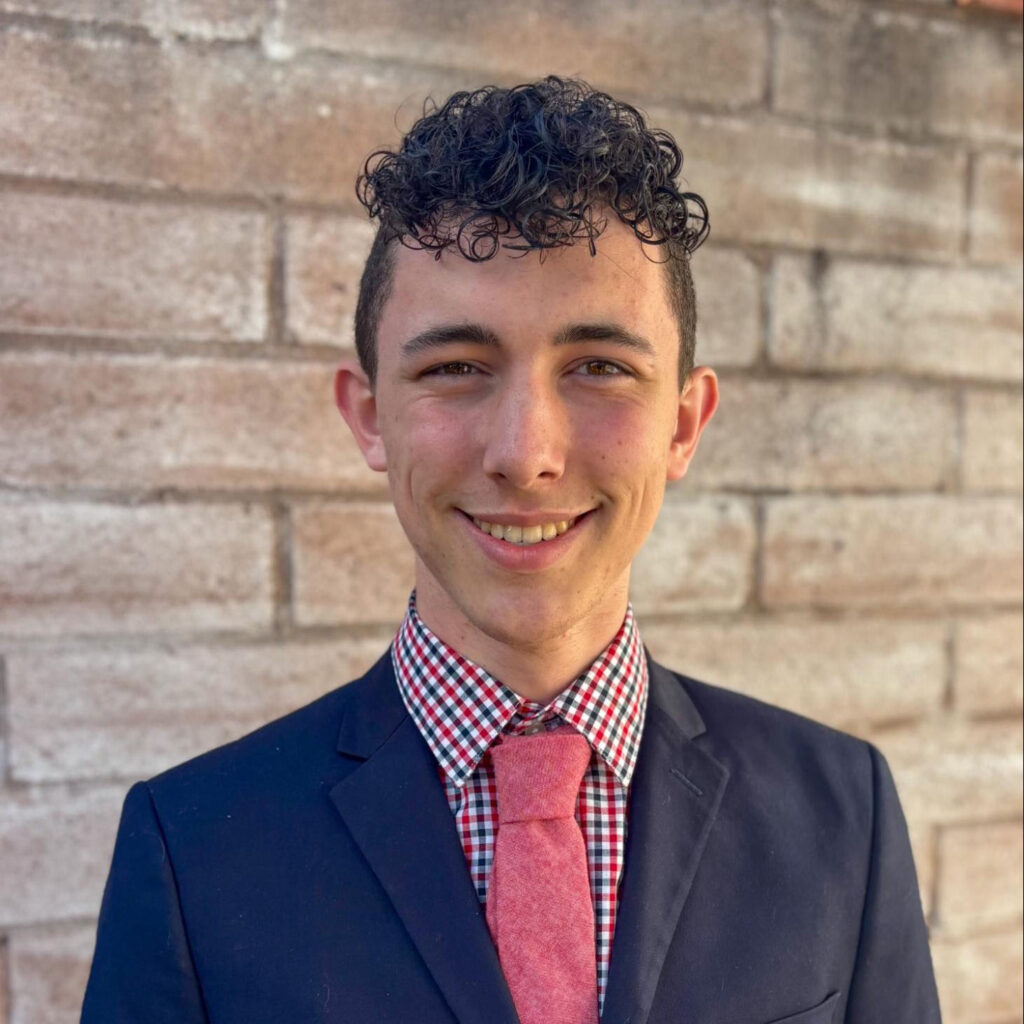
Rocco Fazio
High School Honors L.A. 2025, UATX Class of 2030
“Seminars at UATX are wholly different from anything a standard classroom can provide. The readings come to life through the passion of the professors, and each session feels more like an important discussion than an hour of your life that you’re simply spending for credit. For the sake of experiencing the unique, enlightening UATX-method of teaching, I enthusiastically recommend that every student–even those who aren’t considering UATX–give at least one UATX honors course a try. Every time I’ve left an honors seminar, I’ve found myself feeling that I’d learnt something useful–and that feeling would always be confirmed in my everyday life as I made connections and realizations rooted in my studies. It’s not just a really well-taught class with professors that actually care about teaching you something–it’s an eye-opening experience that makes you go, ‘Woah! I didn’t realize that I’d actually enjoy this topic as much as I do!'”

Kenley Schlichter
High School Honors Austin 2025, Phoenix 2025, UATX Class of 2030
“I had the privilege of attending UATX’s high school honors program back in February, which gave me an environment where debate was strongly encouraged, professors weren’t afraid to challenge us, and we, as students, truly mattered. Additionally, I was able to connect with insightful and intellectually curious peers whose experiences, beliefs, and backgrounds differed tremendously but were all grounded in a pursuit of truth; many of them remain my closest friends. If you’re someone who thrives on studying thought-provoking subjects, discussing the big questions, and wants to have a lot of fun while doing it, I would highly recommend going.”
Tentative Saturday-Only Program Schedule (e.g., Honors: Los Angeles September 2026)*
Tentative Schedule; subject to change
| Time | Description |
|---|---|
| 9:15 AM | Doors open for students |
| 9:30–10:30 AM | Breakfast & Coffee (Students Only) |
| 10:30–11:45 AM | Seminar Session I (Students Only) |
| 11:45 AM–1:00 PM | Lunch (Students Only) |
| 1:00–2:15 PM | Seminar Session II (Students Only) |
| 2:15 PM | Doors open for parents and guests |
| 2:30–4:00 PM | UATX Family Presentation & Q&A (Students & Families/Guests) |
| 4:00–5:30 PM | Family Reception (Students & Families/Guests) |
Tentative Sunday-Only Program Schedule (e.g., Honors: NYC October 2026)*
Tentative Schedule; subject to change
| Time | Description |
|---|---|
| 11:30 AM | Doors open for students |
| 11:30 AM–12:00 PM | Light Breakfast & Coffee (Students Only) |
| 12:00–1:15 PM | Seminar Session I (Students Only) |
| 1:15–2:00 PM | Lunch (Students Only) |
| 2:00–3:15 PM | Seminar Session II (Students Only) |
| 3:15 PM | Doors open for parents and guests |
| 3:30–5:00 PM | UATX Family Presentation & Q&A (Students & Families/Guests) |
| 5:00–6:30 PM | Family Reception (Students & Families/Guests) |
Finalized schedules and locations will be emailed to all participants no later than one week prior to the program start date.
Elevating Minds
Course Sampling
UATX’s high school honors program is a non-credit enrichment program. Students may not earn continuing education credits, credit hours, or a diploma for participation. Seminars are small, capped at 18 students, and assigned readings are sent about one to two weeks in advance so everyone arrives ready to dig in. Phones and laptops are set aside during class.
Contact [email protected] with questions.
PHILOSOPHY AND POLITICS
Socrates was the first to bring philosophy down from the heavens and place it in cities. As his reward, Athens executed him. This seminar examines two dialogues where Plato has Socrates defend the philosophic life, the Apology of Socrates and the Crito, to uncover something of the philosophic life, recover the demands cities must place on citizens, and consider whether the two are reconcilable.
AMERICA’S FOUNDING PRINCIPLES
Read Jefferson’s Declaration of Independence, Lincoln’s Gettysburg Address, and Lincoln’s Second Inaugural Address. Together, these works invite us to grapple with the philosophic basis of American political life—its ideals, its contradictions, and its reckoning with slavery.
TRANSHUMANISM
Delve into the bold promises and perils of transhumanism. Explore visions of technologically enhanced humans and posthumans, and consider the moral, political, and even religious dimensions of this emerging movement.
THE TECHNOLOGY AND PHILOSOPHY OF ARTIFICIAL INTELLIGENCE
This course explores the nature, power, and limits of artificial intelligence—from how large language models like ChatGPT work to the ethical and philosophical questions they raise. Students will experiment with AI chatbots, learn the basics of machine learning, and consider issues of copyright, liability, and employment in an AI-driven world. It concludes with a discussion of human-level intelligence and consciousness: could an AI ever truly think?
DESTINATION MARS: SURVIVAL NOT GUARANTEED
Mars is 140 million miles away, and everything between here and there wants to kill you. Cosmic radiation? Check. Bone-melting microgravity? Yup. No oxygen, freezing temperatures, and months of isolation? Absolutely. Follow the global space race as superpowers and billionaires compete to plant the first flag on Mars and discover how scientists plan t bioengineer the ultimate space-ready human. Young DNA might need an upgrade.
BOSTON BUCKS: MONEY, MARKETS, AND INNOVATION FROM COLONIAL COIN TO CRYPTO
As the largest port in New England, Boston has long been one of America's most important financial centers. This course traces its most important innovations, from fiat paper money in 1690 and bank clearinghouses in the early 19th century to credit unions and mutual funds in the 20th. It concludes with an overview of Boston's continuing role in crypto, Fintech, and DeFi.
IS BEAUTY OBJECTIVE?
Judgements of taste about works of art often cluster, but people tend to defend their own taste passionately, even when they divert from the norm. It is as if having one’s own idea of beauty is experienced as a basic human right, and people fight for their taste almost as if fighting for their lives. Given this variety, can we say that beauty has an objective basis? In this class, we explore this question and possible answers, looking at answers emerging from human biology, the nature of God, or our social life.
WHY DOES GOVERNMENT FAIL SO OFTEN?
This course investigates the causes of policy success and failure through the lens of political philosophy, history, and economics. We will discuss historical examples of success and failure in several different policy areas, e.g., war, health/nutrition, and environment.
HOW TO BE AN ELITIST
Are all men created equal, or are some simply better than others? Do you think you're exceptional, or want to be exceptional, but you're not sure why or how? In this seminar, we will read essays by Winston Churchill and Leo Strauss about the challenges to excellence in the age of mass democracy.
WILL THE REAL BIBLE PLEASE STAND UP?
How did we get the versions of the Bible we have? Who decided which texts were in and which texts were out? This course explores ways of approaching these questions and critically examines canonical boundaries related to Jewish and Christian Scripture.
CHANCE, GAMES, AND DECISIONS
Begin to master probability and good decision-making when faced with uncertainty. Topics include counting techniques and probability theory, classic chance problems such as the Monty Hall and Birthday Problems, expected value and variance, and basic decision and game theory. Applications will be stressed through examples.
THE FUTURE OF AMERICAN FREEDOM
What are the greatest threats to freedom in America? In the 19th century, French aristocrat Alexis de Tocqueville warned of a "soft despotism" that could transform American democracy into its opposite, and in the 20th century, Soviet dissident Alexander Solzhenitsyn offered a similar, dire warning to the entire Western world in his famous address to Harvard University. The seminar will reflect critically on Tocqueville and Solzhenitsyn's warning that democratic freedom has the potential to undermine itself over time, and discuss how American democracy might respond to this danger.